We often see people show up at our facility knowing they need outdoor storage but genuinely unsure whether a traditional unit or renting secure outdoor storage containers in Victoria makes more sense for their situation. It’s one of the most common questions we get, and the answer depends more on your circumstances than people expect.
Who Is This Actually For?
This comes up for homeowners, renters, contractors, retailers, and students. But the right solution looks different for each one.
If you’re a homeowner renovating your kitchen, a professional seeking reliable ways of protecting inventory and contractor tools between job sites, or a retailer in downtown Victoria running out of backroom space, outdoor storage is likely already on your radar. Renters in older buildings near Cook Street or the Fernwood area often have zero storage included in their lease. Students heading home for the summer need somewhere to leave furniture without paying for a full apartment. Each of these situations points toward outdoor storage, but not always the same type.
What Is the Difference Between a Storage Unit and a Storage Container?
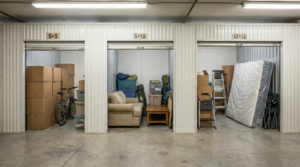
A storage unit is a fixed space at a storage facility. A container is a large steel unit placed directly on your property and stays there.
Storage units sit at a secure, managed facility. You drive there, access your stuff, and drive home. Containers are delivered to your location, loaded on your property, and they stay put. Here’s the important part: containers in our setup are kept on-site only. They cannot be moved to another location once placed. That surprises some people who assume they can shift a container between a job site in Langford and a property in Saanich. That’s not how it works on our end.
What Situation Usually Leads Someone Here?
Moving, downsizing, seasonal storage, renovation overflow, and business inventory are the five we see most often.
Victoria has a tight housing market. People downsize and suddenly have more furniture than square footage. Others are waiting on possession dates and need a place to land their belongings in the meantime. Contractors doing exterior work around Colwood or View Royal need tool storage close to the site. Retailers dealing with seasonal inventory, think back-to-school or holiday stock, need a fast overflow solution that doesn’t mean signing a long lease on extra commercial space.
What Mistake Do People Usually Make When Choosing Between the Two?
Picking based on price alone, without thinking through how often they actually need access.
We see this a lot. Someone rents a container because it feels convenient, then realizes they need to get into it three times a week. Or someone rents a unit and gets frustrated driving out to retrieve things they use daily. Based on our experience, the access question is the one most people skip over. Before you book anything, ask yourself honestly: how often do I need to get in there? If the answer is regularly, a storage unit is usually the more practical fit.
What Do You Usually Explain to Customers About Containers?
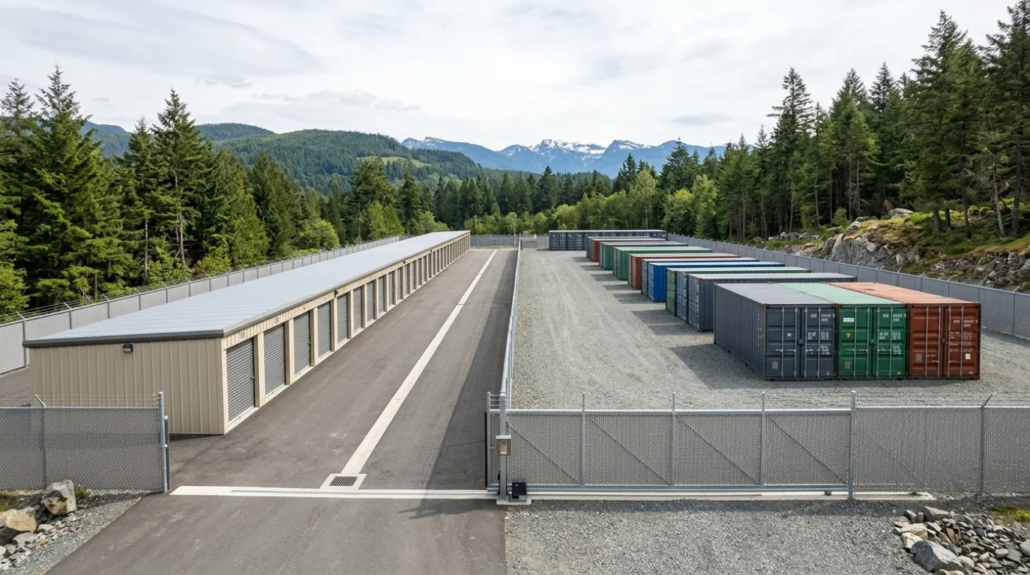
Containers at our facility are a fixed, on-site solution. They stay at our location. You come to them.
One thing people don’t realize until they ask is that our containers are not delivered to your property. They live at our storage facility and that’s where they stay. You access them the same way you would a storage unit, by coming to us. The difference is the format. Containers offer a larger, open storage space without interior shelving or dividers, which makes them a good fit for bulky items, equipment, or inventory that doesn’t stack neatly into a standard unit. Based on our experience, contractors and retailers tend to appreciate that open floor space. Where containers are less ideal is for customers who want a more organized, shelved setup or who need a very small amount of space. A standard storage unit is usually the better fit in those cases.
How Does Victoria’s Climate Factor Into This Decision?
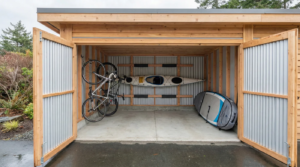
Moisture is a real issue here, especially in winter, and your storage type affects how much exposure your belongings get.
Victoria gets a lot of rain between October and March. The Gorge area, Esquimalt, and even parts of Oak Bay see sustained damp stretches that can surprise people who moved here from drier parts of BC. Steel containers can hold moisture inside if they’re not vented properly. When it comes to preserving your belongings in self-storage, we strongly recommend plastic bins over cardboard for any outdoor setup, as cardboard absorbs moisture and degrades items much faster than people expect. Storage units in a covered facility typically offer better protection from those sustained coastal wet seasons.
What Should You Do After Reading This?
Figure out your access frequency, your timeline, and whether your stuff needs climate consideration. Then call us.
If you’re in the middle of a move, renovation, or business overflow situation in the Victoria area, Pacific Rim Storage is worth a conversation. You can reach out to our storage facility directly to walk through what you’re storing, how long you need it, and how often you’ll need access. Those three answers usually point clearly toward one option or the other. No guessing required.
Final Thoughts
Storage decisions feel small until you make the wrong one. A container that can’t move when your plans change, or a unit that’s too far when you need daily access, both create real headaches. The good news is that most people have a clear answer once they think through their actual situation rather than just the price tag. Our team at Pacific Rim Storage deals with this question regularly and we’re happy to help you sort it out.
Frequently Asked Questions
Can I move a storage container to a different address after it’s been placed?
No. Containers through our storage services are kept on-site only and cannot be relocated once placed. If your project moves to a new address, a storage unit is the more flexible option.
Is outdoor storage in Victoria safe year-round?
Yes, but Victoria’s wet winters mean you should pack thoughtfully. We recommend sealed plastic bins and moisture absorbers, especially for anything stored between November and March.
How much does outdoor storage cost in Victoria BC?
Pricing varies based on unit size, duration, and type. The best way to get an accurate number is to contact our facility directly with details about what you’re storing and for how long.
Can a business use a storage container for inventory overflow?
Yes, and we see this regularly with retailers and trades businesses. Just keep in mind that the container stays in one location, so it works best when your operations are based in one spot.
What size storage unit do I need for a one-bedroom apartment?
According to our storage unit size guide for Victoria apartments, most one-bedroom unit contents fit comfortably in a 5×10 or 10×10 space. If you have larger furniture or appliances, a 10×10 is the safer bet. When in doubt, our team can help you size it out before you book.