Using a self storage unit for the first time can feel overwhelming. From choosing the right unit size to packing correctly and knowing what to store where, there are many decisions to make and small mistakes can lead to wasted space, damaged belongings, or unnecessary costs.
Whether you’re moving, downsizing, renovating, or simply trying to declutter, understanding the basics makes the entire experience smoother. This guide shares practical, easy to follow self storage tips for first timers, helping you store your belongings efficiently, safely, and with confidence.
Why First Time Storage Users Often Feel Uncertain
For many people, self storage is unfamiliar territory. Unlike packing for a move, storage requires planning for both access and long term protection. Questions often arise around how much space is needed, how items should be packed, and how often you’ll need to visit your unit.
Without clear guidance, first time users may overestimate unit size, pack inefficiently, or overlook important preparation steps. Learning a few fundamentals upfront can prevent these common pitfalls.
Choosing the Right Storage Unit Size
One of the most important self storage tips is selecting the correct unit size. Too small, and you’ll struggle to fit everything. Too large, and you may pay for unused space.
Start by creating a basic inventory of what you plan to store. Furniture dimensions, number of boxes, and oversized items such as mattresses or appliances all factor in. If you want a quick baseline before choosing, review these Storage Tips to better understand common unit sizing and setup considerations.
As a general guideline:
- Small units work well for boxes, seasonal items, and small furniture
- Medium units accommodate one to two bedroom apartments
- Larger units suit full household storage or business inventory
Choosing a slightly larger unit than the bare minimum often makes organization and access easier.
Declutter Before You Store
Storage is most effective when it supports organization rather than postponing decisions. Before packing, take time to declutter.
Sort items into categories such as keep, donate, sell, or discard. Storing only what you genuinely need reduces costs and simplifies retrieval later.
This step is especially helpful for first time users who may underestimate how quickly storage units fill up.
Packing Supplies Matter More Than You Think
Using proper packing materials is one of the most overlooked self storage tips. High quality boxes, packing tape, and protective materials help prevent damage during both transport and storage.
Uniform box sizes stack more securely and maximize vertical space. Sturdy plastic bins can protect items from moisture and make contents easier to identify.
Avoid using garbage bags for long term storage, as they trap moisture and provide little protection.
Label Everything Clearly
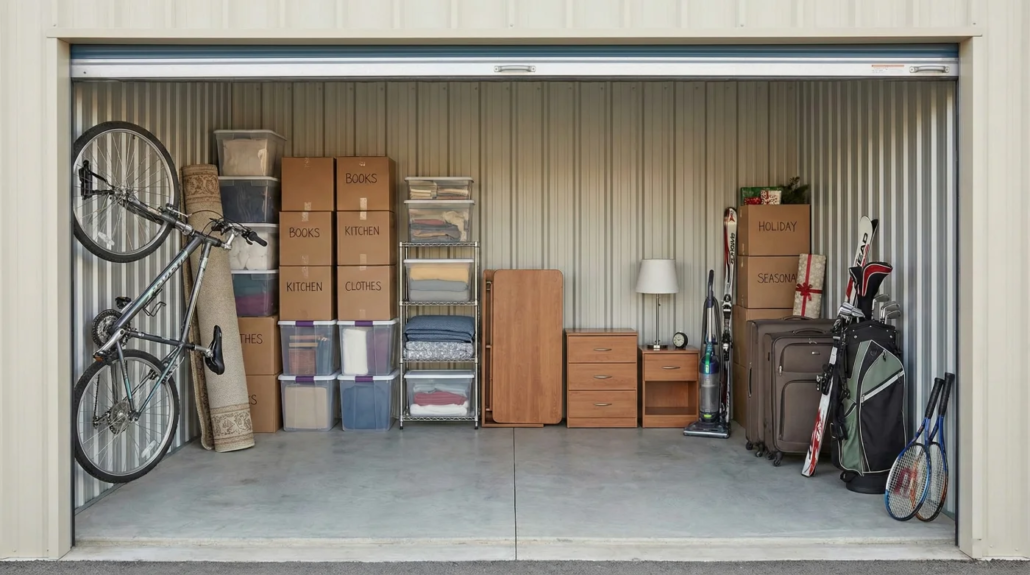
Clear labeling saves time and frustration. Label each box on multiple sides and include both contents and the room it belongs to.
For items you may need frequently, consider marking boxes as “priority access.” This small step makes navigating your unit far easier.
Creating a simple inventory list can further streamline retrieval, especially if your storage needs extend beyond a few months.
How to Pack a Storage Unit Efficiently
Proper packing maximizes space and protects your belongings. Place heavier items on the bottom and lighter boxes on top. Disassemble furniture when possible to save space.
Leave narrow pathways inside the unit if you anticipate needing access. This allows you to retrieve items without unloading everything.
One of the most practical self storage tips is to store items you’ll need sooner near the front and long term items toward the back. For a more detailed walkthrough, see How to Properly Store Your Things in a Storage Unit.
Protecting Furniture and Fragile Items
Furniture should be cleaned and dried before storage. Moisture trapped under covers can lead to mold or mildew.
Use furniture blankets or padded covers rather than plastic wrap for long term storage. Glass and fragile items should be wrapped individually and stored upright when appropriate.
Avoid placing heavy boxes on top of upholstered furniture or mattresses.
Understanding Climate and Environmental Factors
While not all items require climate controlled storage, it’s important to consider environmental sensitivity. Electronics, documents, photographs, and wooden furniture are more vulnerable to temperature and humidity changes.
Understanding what you’re storing helps determine the most suitable storage conditions. Many first time users run into avoidable issues here, so it helps to review common Storage Mistakes to Avoid in Victoria and apply the same precautions to any coastal or humid environment.
When in doubt, err on the side of protecting valuable or irreplaceable items.
Access Planning: How Often Will You Visit?
Before choosing a storage unit, think about how frequently you’ll need access. Some people use storage temporarily during a move, while others visit regularly.
Planning access affects how you organize your unit and what size or layout works best. Keeping frequently used items accessible reduces hassle over time.
Our storage facility is designed to support flexible access for customers with varying needs.
Safety and Security Basics
Security is a key consideration for first time storage users. Use a high quality lock designed specifically for storage units rather than standard household locks.
Avoid storing valuable items loosely or visibly near the entrance. Organizing your unit neatly reduces the risk of accidental damage during visits.
Professional storage environments typically include controlled access and monitoring to enhance peace of mind.
What Not to Store
Every storage facility has guidelines about prohibited items. Common restrictions include perishable food, flammable materials, and hazardous substances.
Understanding these rules upfront prevents inconvenience later. If you’re unsure whether an item can be stored, it’s best to ask before moving it in.
Long Term Storage Tips
If you plan to store items long term, periodic check ins are helpful. Visiting occasionally allows you to ensure everything remains dry, secure, and well organized.
Refreshing moisture absorbers and inspecting packaging can prevent small issues from becoming bigger problems.
These habits are especially useful for first time users who may not anticipate extended storage needs.
Using Storage as an Organizational Tool
Self storage is not just a temporary solution, it can be part of a broader organization strategy. Many people use storage to manage life transitions, seasonal gear, or shared living spaces.
Approaching storage with intention makes it easier to maintain order at home and reduces stress during busy periods.
Pacific Rim Storage is one local option for those seeking storage services, but the principles outlined here apply regardless of where you store your belongings.
Final Thoughts: Start Smart and Stay Organized
Using self storage for the first time doesn’t have to be complicated. With the right preparation, storage can be a practical, stress free solution that supports your lifestyle rather than adding to your workload.
These self storage tips are designed to help first timers avoid common mistakes, protect their belongings, and make the most of their space. By planning ahead, packing carefully, and staying organized, you can ensure your storage experience is efficient from day one, and continues to work well as your needs evolve.