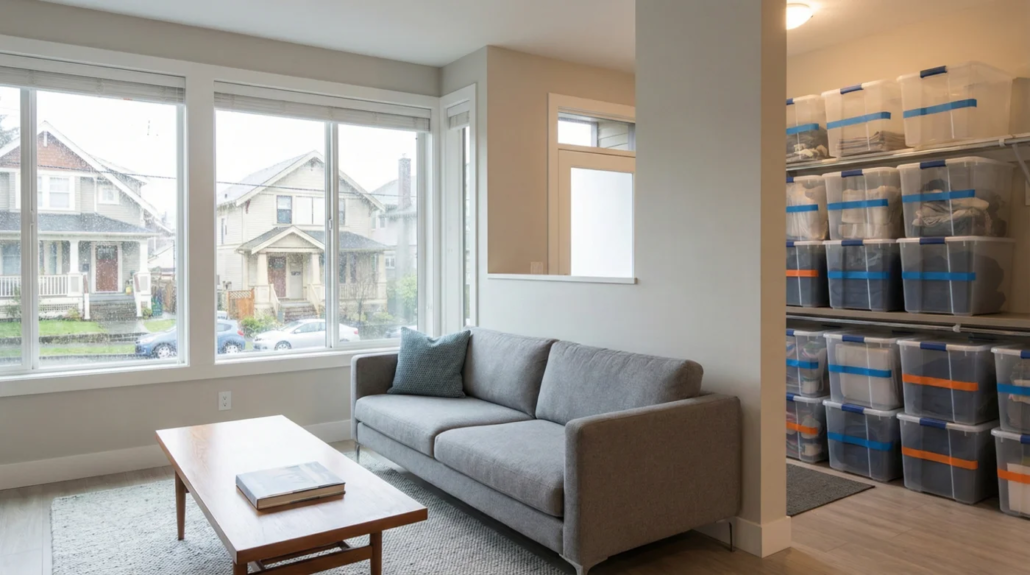
Space is one of the most valuable commodities in your home. With a competitive housing market, smaller lot sizes, and a growing number of condos, townhomes, and compact single-family residences, many households find themselves short on storage long before they feel ready to move. Whether you live downtown, in Oak Bay, Esquimalt, or Langford, learning how to use storage units effectively can help you create a more functional and comfortable home without uprooting your life. Many homeowners start by reviewing a storage unit size guide to understand how much space they actually need before committing to a unit.
A storage unit is often thought of as a temporary solution used during moves or renovations. In reality, when used intentionally, it can become a long-term tool for managing space, supporting lifestyle changes, and reducing clutter. The key is understanding what to store, how to store it, and how storage fits into your day-to-day living.
Why Space Is a Challenge in Local Homes
The city’s charm lies in its walkable neighborhoods, historic housing stock, and emphasis on community over sprawl. Many houses were built decades ago, before modern storage needs became the norm. Closets may be small, basements unfinished, and garages converted into living space.
At the same time, residents often lead active, well-rounded lives. Outdoor recreation, hobbies, family transitions, and remote work all require equipment and supplies that take up room. Even households committed to minimalism can feel squeezed as life evolves.
Using storage units allows homeowners to adapt to these realities without sacrificing location, lifestyle, or long-term plans.
Viewing Storage as an Extension of Your Home
One of the most effective mindset shifts is to stop viewing a storage unit as a place for forgotten items. Instead, think of it as an extension of your home—similar to a garage, attic, or shed.
When storage is nearby and well-organized, it becomes part of a system. Items move in and out based on seasons, projects, and life stages. This approach keeps living areas focused on daily use rather than long-term holding.
Homes feel larger not because they contain less, but because what remains inside is intentional.
Identifying What Belongs in Storage
The first step in using storage effectively is deciding what should leave the home. Generally, items fall into three categories that are ideal for off-site storage.
Seasonal belongings are a natural fit. Winter clothing, holiday decorations, patio furniture, camping gear, and sports equipment often take up significant space while only being used part of the year.
Occasional-use items also benefit from storage. Extra furniture, hobby supplies, tools, archives, and keepsakes may be important but not needed daily.
Finally, transitional items—such as inherited belongings, baby gear, or items awaiting future decisions—can be stored safely while you determine their long-term role.
By relocating these items, closets, spare rooms, and garages can be reclaimed for everyday living.
Creating Functional Living Space at Home
Once storage-bound items are removed, the impact on your home is often immediate. Rooms become more flexible and easier to maintain. A spare bedroom can transform into a home office or guest room instead of a catch-all storage area.
In smaller homes or condos, clearing just one closet or corner can dramatically improve flow and comfort. Kitchens function better without overcrowded cabinets. Living rooms feel calmer without stacks of boxes or unused furniture.
Local storage options support these changes by giving homeowners permission to design their spaces around how they live now, not how they might live someday.
Supporting Remote and Hybrid Work
Remote work has permanently changed how homes are used. Many households now require dedicated or semi-dedicated workspaces.
Creating an effective home office often means removing competing uses from the same space. Filing cabinets, reference materials, and extra equipment can overwhelm a room if everything must stay on-site.
A storage unit allows you to keep essential work tools accessible while moving archived documents, surplus supplies, or equipment used only occasionally out of the house. This separation helps maintain focus and balance, especially in smaller homes.
Managing Life Transitions Without Moving
Life changes rarely align perfectly with housing needs. Families grow, children leave home, and priorities shift.
Storage units offer flexibility during these transitions. New parents can store furniture temporarily while making room for nurseries. Empty nesters can downsize living space without rushing decisions about sentimental belongings. Renovations become less stressful when items can be safely stored away from dust and disruption.
Rather than making permanent housing decisions under temporary pressure, storage creates breathing room.
Downsizing Thoughtfully
Downsizing is increasingly common, particularly among retirees and those seeking lower-maintenance living. While reducing square footage has many benefits, it often involves difficult choices about what to keep.
Storage provides a buffer during this process. Items that no longer fit the home but still hold value—emotionally or practically—can be stored until their future use becomes clear.
This approach allows downsizing to be intentional rather than rushed, preserving peace of mind while embracing a simpler living space.
Organizing Your Storage Unit for Success
A storage unit is only helpful if it is organized. Poorly packed units become frustrating and inefficient, defeating their purpose.
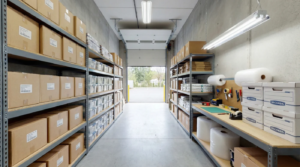
Start by grouping items by category and frequency of use. Clearly label all boxes on multiple sides. Use shelving to take advantage of vertical space and keep items off the floor.
Frequently accessed items should be placed near the front, while long-term storage can go toward the back. Keeping an inventory—either written or digital—can save time and prevent duplicate purchases.
Well-organized storage turns occasional trips into quick, purposeful visits.
Choosing the Right Storage Unit Size
Selecting the appropriate unit size is crucial. Too small, and items become cramped and difficult to access. Too large, and space—and money—is wasted.
Many people underestimate how efficiently items can be stored when packed properly. Storage facilities often provide guidance to help residents choose a unit that matches their needs.
Storage units come in a range of sizes to accommodate everything from a few boxes to the contents of an entire home. Choosing flexibility allows your storage needs to evolve over time.
Security and Peace of Mind
Trust is an important factor when storing personal belongings outside the home. Reputable storage facilities prioritize security features such as controlled access, surveillance, and well-maintained premises.
Knowing your items are protected allows you to enjoy the benefits of extra space without constant concern. This peace of mind is a significant part of why many homeowners adopt storage as a long-term solution.
Our storage facility is designed to support these needs, providing a dependable option for residents managing space constraints. Many homeowners begin by exploring the Victoria branch page to find a nearby facility that fits their access needs and storage goals.
Sustainability and Smarter Space Use
Using storage instead of moving to a larger home can also support sustainability goals. Larger homes often come with higher energy use, greater resource consumption, and increased environmental impact.
By maximizing existing space and storing belongings thoughtfully, households can reduce their footprint while maintaining comfort and functionality. This approach aligns well with the region’s emphasis on sustainable urban living.
When Storage Becomes Part of Everyday Life
For many residents, storage becomes a permanent part of how they manage their homes. Just as previous generations relied on basements or garages, modern households use external storage to stay organized and adaptable.
Pacific Rim Storage is one local example of a provider supporting this shift by offering accessible and flexible storage services tailored to urban living. When storage is convenient, it integrates naturally into daily routines.
Final Thoughts: Creating Space Without Changing Addresses
Running out of space does not automatically mean it is time to move. Often, it simply means it is time to rethink how space is used.
By treating storage as a strategic extension of the home, residents can create room for work, hobbies, family changes, and everyday comfort—without giving up the neighborhoods and lifestyles they value.
Storage units offer flexibility in a city where space is limited but life is full. With thoughtful planning and organization, storage becomes more than a place to put things; it becomes a tool for living better, calmer, and more intentionally in the home you already have.