We often see Victoria small business owners walk into tax season already feeling behind. File cabinets are overflowing. Boxes of old paperwork are stacked under desks. Important documents are mixed in with outdated records because there was never time to sort them properly. By the time accountants start asking for files, the office already feels cluttered and stressful.
This is usually when business owners start thinking about document storage in Victoria, not because they planned to, but because the situation finally forces them to.
Tax season has a way of exposing office clutter. Early action can make the process far less frustrating.
Why Document Storage Matters During Tax Season
One thing people don’t realize until later is how much time clutter adds to tax preparation. Searching for invoices, contracts, payroll records, and receipts eats into hours that could be spent running the business. It also increases the chance of missing paperwork that is actually required.
Based on our experience working with small businesses every year, the stress rarely comes from taxes themselves. It comes from disorganized records and not knowing where things are.
There is also a compliance side that often gets overlooked. Many business records need to be kept for several years. Keeping everything in one crowded office increases the risk of loss, damage, or accidental disposal. Many businesses also reduce paper volume by securely destroying outdated files, following best practices like those outlined in Shred it’s guide on office decluttering tips for a secure workspace.
In coastal areas like Victoria, moisture can quietly affect paper records stored in basements, back rooms, or older office spaces.
Document storage is not about hiding paperwork. It is about creating a system that protects records while making daily operations easier.
Who This Guide Is For
This guide is written for small businesses. Most of the situations we see involve:
- Retailers with limited back office space
- Contractors and trades who keep years of job files
- Professional services managing client records
- Growing businesses that outgrew their original office setup
Homeowners, renters, and students also store documents, but the advice here is based on what we see business owners dealing with most often in Victoria and Nanaimo.
The Situation Most Businesses Are In
During tax season, many small businesses find themselves in a similar position:
- Filing cabinets are full, but records cannot be thrown away yet
- Old tax documents are mixed with current year paperwork
- Office storage is taking up space needed for staff or inventory
- Important records are stored in boxes without clear labels
In our Victoria and Nanaimo locations, business owners often tell us they just need the paperwork out of the way, but still accessible. That is a reasonable goal. Document storage does not mean locking files away forever. It means storing them properly while keeping your office functional.
The Mistake People Usually Make
The most common mistake we see is waiting until tax season is already underway to deal with document storage.
At that point, everything feels urgent. Files get packed quickly without sorting. Boxes are labeled vaguely or not at all. Documents that need frequent access end up buried behind years of old records. This often leads to repeated trips back and forth or opening multiple boxes just to find one file.
Another mistake is storing important paperwork in poor conditions. Cardboard boxes are still widely used, but they are not ideal in coastal climates. Cardboard absorbs moisture. Over time, that moisture can damage paper, create odours, or cause documents to stick together. We see this often with records stored in garages, basements, or outdoor sheds.
What We Often Explain to Customers
Based on our experience, document storage works best when it is planned around access and protection, not just space.
Separate Active and Archived Records
A helpful starting point is dividing documents into two groups. Active records are those you will need regularly during the year. Archived records are those you must keep but rarely access. Most tax related paperwork falls into the second category once filing is complete.
Storing archived records off site frees up office space without affecting daily operations.
Label by Year and Category
Clear labeling saves time later. We often suggest labeling boxes by year and document type rather than by client or project name alone. This makes retrieval easier if records are ever needed for audits, reviews, or reference.
Use Proper Containers
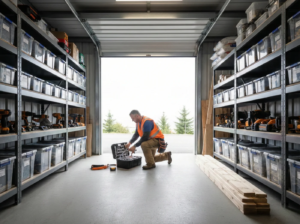
We recommend plastic bins or document boxes designed for records because they protect paperwork from moisture and pests. This is especially important in Victoria, where humidity can fluctuate throughout the year.
Think About Retrieval, Not Just Storage
One thing people don’t realize until later is how frustrating poor access can be. Documents that might be needed again should be placed toward the front of a storage unit. Older records that are unlikely to be accessed can go further back. This small step makes a big difference over time.
Local Context Matters
Business document storage in Victoria looks different than in drier or newer cities. Many small businesses operate out of older buildings with limited storage space. Some offices have minimal climate control. Others rely on shared storage areas that are not ideal for long term records.
In our Victoria and Nanaimo locations, we regularly see businesses dealing with:
- Older office buildings with limited filing space
- Basements or storage rooms with poor airflow
- Shared storage areas that are not secure enough for records
Because of this, secure and climate controlled storage becomes a practical solution for sensitive documents. Paper records last longer when they are kept in stable conditions. This is especially true for tax files, legal documents, and long term business records.
Practical Advice From Real Situations
Here are a few tips that come directly from conversations we have with business owners every week:
- Schedule document storage after tax filing, not during the busiest weeks
- Keep a simple index of what is stored and where
- Store records in manageable box sizes so nothing gets overloaded
- Leave clear walkways in your storage unit for easy access
- Review stored records once a year to remove anything no longer required
Many professional organizers recommend a similar approach for home offices as well, as outlined in Good Housekeeping’s guide on how to declutter your home office according to pro organizers.
We often suggest treating document storage as part of annual business maintenance. Tax season is a natural time to review what you are keeping and why.
How Storage Fits Into Clearing Office Clutter
Using storage for documents does not mean losing control of your records. It gives your business room to function better.
Retailers gain back office space for inventory or staff. Contractors can keep job files organized without filling trailers or home offices. Professional services can store older client records securely while keeping current files close at hand.
Pacific Rim Storage regularly helps businesses explore tailored Business Solutions that support document retention, security, and access needs. For many local companies, especially growing operations, dedicated storage for small business becomes an extension of their office rather than a last resort.
Many businesses start with a short term plan and extend it once they see how much smoother their office runs.
What to Do After Reading This
After reading this guide, the next step is straightforward.
Take one afternoon to review your current document storage situation. Separate what you need daily from what you are required to keep long term. Identify where clutter is slowing you down or taking up valuable space.
If off site storage makes sense, think about access, protection, and how often you realistically need to retrieve records. Answering those questions early avoids rushed decisions during the busiest part of tax season.
Final Thoughts
Clearing office clutter during tax season does not have to be overwhelming. Based on our experience, businesses that address document storage early feel more organized and less stressed throughout the year.
If you are unsure what kind of document storage makes sense for your business, our team at Pacific Rim Storage is always happy to help you figure it out before you rent. We work with small businesses every day, and a short conversation can make the process much easier.
Tax season comes around every year. A little planning now can make the next one feel very different.