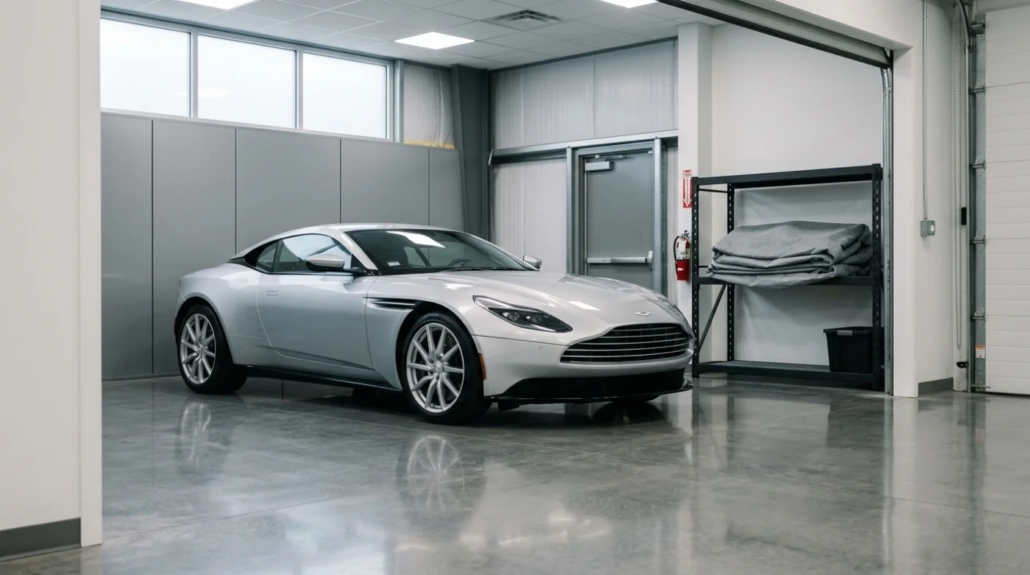
We often see people pull up to our facility with a vehicle they need to store, and the first thing they ask is “do I just… leave it here?” The answer is yes, but there are a few essential steps worth taking before handing over the keys at a storage facility in Nanaimo, especially given the damp coastal climate.
Whether you’re heading overseas, storing a seasonal vehicle, or just parking a second car while you deal with a life transition, getting the prep right makes a real difference.
Who Actually Needs Long-Term Vehicle Storage in Nanaimo?
It’s a wider group than most people expect. We work with snowbirds heading south for the winter, military families stationed away from home, students leaving after the school year, and people in the middle of a major move or renovation who need one less thing to worry about.
Nanaimo also has a strong community of classic car and motorcycle owners who don’t want their vehicles sitting in a driveway through the wet season. That’s a big part of what we see from October through March. The Island’s winters aren’t brutal by Canadian standards, but the sustained moisture and salt air near the harbour and the Strait can do real damage to a vehicle that isn’t properly stored or prepared.
What’s the Biggest Mistake People Make With Long-Term Car Storage?
The most common mistake is parking the car and doing nothing else. People assume that because the vehicle isn’t being driven, nothing is going to happen to it. That’s not really how it works.
A car sitting unused for months without preparation will develop flat spots on the tires from the weight sitting in one position too long. The battery will drain completely and may not recover. Moisture can work its way into the interior and under the hood. Rodents look for warm, sheltered spots, and a parked vehicle is exactly what they’re after. We’ve seen mice nest inside air filters and chew through wiring on vehicles that were only stored for a few months without any prep.
One thing people don’t realize until later is that a little time spent before storage saves a lot of money on the other end.
What Should You Do to Prepare a Car for Long-Term Storage?
Run through a short checklist to properly preserve your vehicle in self-storage before you leave it. It doesn’t take long and it covers the main things that tend to cause problems during storage.
Start with a fresh oil change. Old oil has combustion byproducts in it that can cause corrosion if left sitting for months. Top up all other fluids as well. Add a fuel stabilizer to a full tank of gas because a full tank reduces the amount of air space where condensation can form, and the stabilizer keeps the fuel from degrading and leaving gummy deposits in the fuel system.
Inflate the tires slightly above the recommended pressure. They’ll lose some air over time, and starting a bit higher gives you a buffer. If the storage period is going to stretch beyond three or four months, tire cradles are worth considering because they reduce flat spotting.
For the battery, either connect a trickle charger or a battery maintainer if you have access to power in your unit, or disconnect the negative terminal to slow the drain. A fully discharged battery that sits for months often won’t come back to full capacity, and replacement isn’t cheap.
Wash and dry the car thoroughly before storage, including underneath if you can. Salt and grime left on the body or undercarriage will keep working on the paint and metal while the car sits. Apply a coat of wax before storing to give the exterior some protection.
Put a piece of steel wool or a breathable mesh cover over the exhaust pipe and the air intake to discourage rodents from setting up camp inside. Leave a note under the wiper so you remember to remove it before starting the car.
Finally, cover the vehicle with a breathable car cover rather than a plastic tarp. A plastic tarp traps moisture underneath it, and in Nanaimo’s damp climate that’s going to cause problems. Condensation will form against the paint and stay there.
Does Nanaimo’s Climate Make Car Storage Different Than Inland Areas?
Yes, and it’s worth taking seriously. Nanaimo sits on the coast, and that means salt air, higher average humidity, and extended wet periods through fall and winter.
Vehicles stored in places like Kelowna or Kamloops deal with cold and dry conditions. The challenges there are mostly about cold starts and frozen fluids. On the Island, the problem is moisture. It gets into interiors through door seals, settles under carpets, and promotes rust on brake rotors and exposed metal faster than most people expect.
Based on our experience, vehicles stored here without a breathable cover and some basic moisture management tend to come out with foggy interiors, surface rust on rotors, and musty smells that take real effort to get rid of. None of that happens overnight, but after three or four months it adds up.
If you’re storing a vehicle that you really care about, whether it’s a classic, a collector vehicle, or just an expensive daily driver you want to protect, opting for indoor heated storage is well worth the extra cost for exactly these reasons.
Is Indoor or Outdoor Vehicle Storage Better in Nanaimo?
Indoor storage is the better choice for long-term vehicle storage on the coast. It keeps the vehicle out of the rain, away from direct salt air, and gives it a more stable environment through the winter.
Outdoor storage in Nanaimo is reasonable for shorter periods or for vehicles that are more utilitarian. A truck that’s going to be put back into service in a few months is probably fine outside with a good cover. A restored classic car or a motorcycle you’ve spent money on is a different situation.
Pacific Rim Storage offers vehicle storage options to fit both situations. If you’re not sure which makes sense for your vehicle and your timeline, that’s a straightforward conversation to have when you call or come in.
What Should You Check When You Take the Car Out of Storage?
Before you drive it, do a quick walk-around and a few checks under the hood. Don’t just start it and pull out.
Check the tire pressure first because tires lose air over time even in good conditions. Look for any signs of pest activity, especially around the air filter and in the engine bay. Remove any covers or plugs you put on the exhaust or intake. Reconnect the battery if you disconnected it. Check the brake feel before getting up to speed because rotors that have developed surface rust will feel grabby for the first few stops. That usually clears itself, but it’s good to know it’s coming.
Charge the battery fully before your first longer drive, and check all your fluid levels before heading out.
Final Thoughts
Long-term car storage in Nanaimo is one of those things that goes smoothly when you put a bit of thought into it upfront and gets expensive when you don’t. The coastal climate is genuinely different from what you’d deal with inland, and the preparation reflects that.
If you’re looking at storing a vehicle and want to know what options are available, Pacific Rim Storage is a good starting point. Come in or give us a call and we can walk you through sizing, access, and what makes sense for your specific situation.
Frequently Asked Questions
How long can you store a car without driving it?
With proper preparation including a fuel stabilizer, a battery maintainer, and a breathable cover, most vehicles can be stored for six to twelve months without significant issues. Beyond that, a more thorough recommissioning is usually worth doing before regular driving.
Do I need insurance on a car in storage in BC?
Yes. ICBC requires you to maintain at least basic Autoplan coverage even on a stored vehicle. You can move to a storage-specific rate that is lower than regular coverage, but the vehicle can’t be completely uninsured. Check with your insurance broker before storage begins.
Should I use a car cover for outdoor vehicle storage in Nanaimo?
Yes, and it should be a breathable cover, not a plastic tarp. Plastic traps moisture underneath and can cause more harm than leaving the car uncovered, especially in a coastal environment with high humidity.
Will my brakes be okay after long-term storage?
Surface rust on rotors is common after extended storage and is usually nothing to worry about. It typically clears after the first few stops. If the vehicle sat for a very long time without being moved, it’s worth having the brakes inspected before driving it regularly.
How do I keep rodents out of a stored vehicle?
Cover the exhaust outlet and air intake with steel wool or a breathable mesh barrier. Leave peppermint-soaked cotton balls inside the vehicle if rodents are a concern in the area. Check the engine bay when you retrieve the vehicle and look for signs of nesting before starting it.