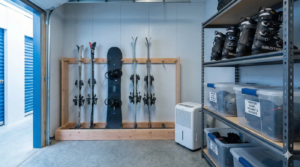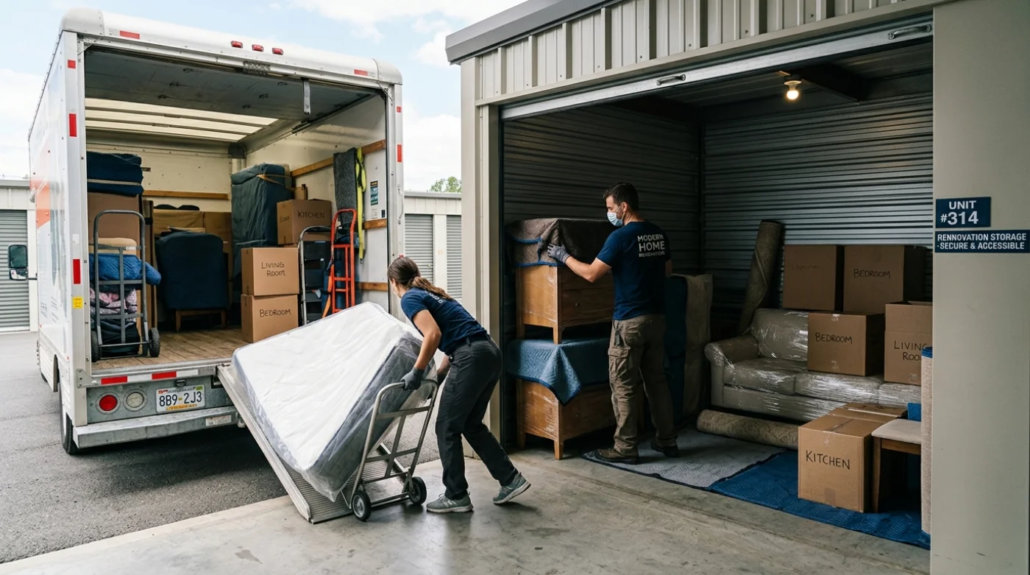
We often see Victoria homeowners start a kitchen or bathroom renovation with a solid plan, only to realize they need self-storage for their home renovation after spending the first week trying to figure out where to put everything. Furniture ends up in the hallway. Appliances get stacked in the backyard. Boxes of dishes land in the spare bedroom. The project hasn’t even really started yet, and the house already feels chaotic.
Renovation storage is one of those things that makes a huge difference when you plan for it upfront and becomes a real headache when you don’t.
Who Is This Guide For?
This is for Victoria homeowners in the middle of a renovation or about to start one. That includes people doing a full kitchen gut, a bathroom update, a basement conversion, or even a whole-home refresh before listing. It also applies to renters who are vacating temporarily while landlords do major work.
If your project is going to displace furniture, appliances, or an entire room’s worth of belongings, this guide is for you.
Why Does Renovation Storage Matter More Than People Expect?
Keeping your belongings in the work zone slows down your contractor and puts your things at risk. Dust, debris, and moisture from construction can damage furniture, electronics, and fabric within days.
Victoria renovations also tend to run longer than expected. A two-week kitchen project can stretch to five weeks once trades are involved, permits are pulled, and materials are backordered. The longer your stuff sits in a compromised space, the more likely something gets damaged or lost in the shuffle.
What Mistake Do People Usually Make During a Renovation?
The most common one we see is underestimating how much space the project will actually consume. People plan storage for the room being renovated, but forget that a kitchen renovation means the whole main floor gets disrupted. Furniture gets shuffled into rooms that are still in use. The house becomes difficult to live in, and the renovation takes longer because the contractors don’t have clean access.
A separate storage unit gives your contractor room to work and gives your household some sense of normal during a disruptive process.
What Do We Often Explain to Customers About Renovation Storage?
One thing people don’t realize until later is that a storage unit during a renovation isn’t just about protecting your belongings. It’s about protecting your timeline. When your contractor doesn’t have to work around a dining table or stack of boxes, the project moves faster. That usually matters more than the cost of a unit for a few weeks.
Based on our experience, customers who set up storage before demolition starts are far less stressed than those who scramble to find space mid-project. The setup time is minimal. The payoff in terms of reduced chaos is significant.
How Do You Decide What Goes Into Storage During a Renovation?
Start with everything in the immediate work zone and anything in adjacent rooms that will realistically be disrupted. For a kitchen renovation, that typically means appliances, small kitchen items, dining furniture, and anything stored in nearby closets or pantries that will need to be accessed constantly.
Electronics, upholstered furniture, and anything with fabric should be a priority. Construction dust is fine and travels further than most people expect. Renovations in older Victoria homes, particularly in Fernwood, Fairfield, or James Bay, sometimes involve disturbing old materials that create additional debris. Getting valuables out of the space early is a crucial step toward preserving your belongings in self-storage and keeping them safe from dust and damage.
We recommend plastic bins with lids for packing smaller items going into storage. Cardboard breaks down in coastal humidity, and Victoria’s damp air is hard on boxes, especially during shoulder seasons when temperatures swing. Plastic bins stack better, seal out dust, and hold up for the full duration of the project.
How Long Should You Rent a Storage Unit During a Renovation?
Rent for longer than you think you’ll need. This is the consistent advice we give at Pacific Rim Storage because renovation timelines almost always shift.
If your contractor says three weeks, budget for five or six. Extending a rental is easy. Moving your belongings back into a home that isn’t finished is a mess. The cost of an extra two weeks in storage is almost always worth it compared to repacking everything mid-project.
Month-to-month rentals make this easy. You’re not locked into a long-term contract, so if your project wraps up early, you can clear out without penalty.
What Size Storage Unit Do You Need for a Renovation?
It depends on the scope of the project. A bathroom renovation might only need a 5×5 unit for the contents of that room. A full kitchen renovation with appliances, furniture, and overflow from adjacent rooms usually needs a 5×10 or 10×10.
While reviewing a Victoria storage unit size guide is a helpful first step, the team at our facility can also personally walk you through what fits in each space based on what you’re storing. If you describe your project and what you’re trying to move out, we can usually give you a practical recommendation in a few minutes. It’s worth a quick call before you book something too small.
What’s the Right Next Step Before Your Renovation Starts?
Book your storage unit before your contractor starts. Seriously. Not the week of, but at least a few days ahead so you have time to pack and move things without rushing.
Reach out to Pacific Rim Storage to check availability and get a size recommendation based on your specific project. Walk through the house with a list of what’s in the renovation zone, factor in the adjacent rooms that will get disrupted, and give yourself one buffer unit size larger than you think you need. That extra room pays for itself quickly.
Frequently Asked Questions
Can I access my belongings during a renovation if I need something?
Yes. Our storage facility offers flexible access so you can retrieve items during your project if needed. It’s a good idea to pack things you might need regularly in a clearly labelled, easy-to-reach spot near the front of the unit.
Is climate-controlled storage necessary for a Victoria renovation?
For most household furniture and general items, a standard unit works fine. If you’re storing electronics, artwork, musical instruments, or anything sensitive to humidity, opting for a climate-controlled storage unit in Victoria is worth considering given our coastal air.
What’s the fastest way to get a storage unit set up before demolition starts?
Call or visit our facility directly. Same-day and next-day availability is often possible, especially for smaller units. Don’t wait until demo day to figure this out.
Should I wrap furniture before putting it in storage during a renovation?
Yes. Furniture blankets or moving wrap protect against scratches and dust during transport and while in storage. It takes a bit of extra time upfront but prevents damage to pieces you’ll want back in good condition.
Can contractors use a nearby storage unit as a staging area during a project?
Some absolutely do, as utilizing self-storage for contractors is a great way for builders to stage materials safely and keep the job site clear. That said, it is a conversation to have with your contractor directly, since your personal storage unit is primarily for your belongings. If your contractor needs material staging, they’ll usually have their own arrangement, but keeping your items off-site frees up the work zone for exactly that purpose.