Renovating your home is exciting — new floors, fresh paint, updated kitchen cabinets, maybe even a room addition. But while you’re transforming your living space, the disruption can quickly become overwhelming. Everything from furniture and décor to tools and contractor supplies gets in the way. That’s why having the right storage solution is vital.
If you’re planning a renovation in Victoria, Saanich, the Westshore, or nearby communities, using self storage for your project can be a game-changer. In this post, we’ll explore how home renovation storage in Victoria and surrounding areas can simplify your remodel, protect your belongings, and save you stress — and how Pacific Rim Storage can help.
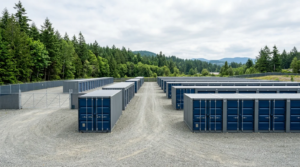
For those who prefer to keep their belongings on-site rather than moving them to a facility, exploring outdoor storage containers in Victoria can be the perfect way to eliminate renovation clutter while keeping essential items easily accessible.
1. Free Up Space and Speed Up Your Renovation
One of the first and most obvious benefits of self storage during a home renovation is the extra clear space you gain at home. When you move furniture, boxes, and household items into a storage unit, contractors have more room to work.
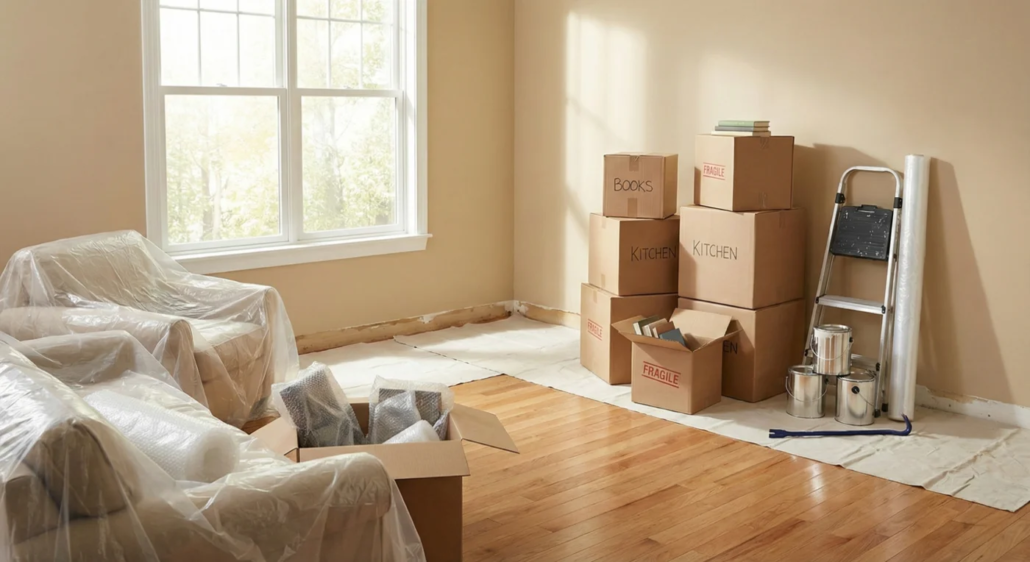
Large rooms get cluttered quickly: sofas, armchairs, rugs, knick-knacks — these all block access and slow down the job. Especially in Victoria homes where layouts may be compact and hallways narrow, creating an open workspace is essential for efficiency and safety.
With your items stored off-site, you give renovation crews full access and less “stuff” to work around. That means fewer tripping hazards, fewer delays, and a cleaner job site. Whether you’re doing a kitchen re-fit in Victoria, a basement remodel in the Westshore, or an addition in the core city, storage gives you that breathing room.
2. Protect Your Belongings from Damage & Dust
Renovations generate dust, debris, paint splatter, sawdust, and construction mess. Even if you section off a room, the rest of your home still bears the consequences.
Furniture and décor left amid construction might get scratched, stained, or suffer damage. Sensitive items — electronics, fine furniture, artwork, original woodwork — are especially vulnerable in homes around Victoria’s damp climate.
Storage units let you place these at a safe, controlled location where they’re shielded from renovation mess and environmental risks. Pacific Rim Storage offers clean, dry units where you can store items safely away from the zone of activity. Think of it as a buffering sanctuary for your possessions until the dust settles.
During renovations, be mindful of material handling and safety with chemical DIY project safety guidelines.
3. Flexible Storage for Short-Term or Long-Term Projects
Home renovations in Victoria vary widely in duration. Some are quick one-week jobs; others stretch into months. Flexibility in storage helps your project stay agile.
What flexibility means in practice:
- You may only need storage for a month while the kitchen is ripped out and replaced.
- A multi-month major remodel might require storing many items while structural work happens.
- Maybe you run a small business alongside the home remodel and alternate between work tools, materials, and household goods.
Pacific Rim Storage gives you options for short-term lets and longer-term rentals, with various unit sizes to match your needs. Whether you’re storing a few boxes or full-house furniture sets, you can scale accordingly. This flexibility makes home renovation storage in Victoria and surrounding areas particularly practical.
4. Organize Smartly to Minimize Stress
Storage is only useful if you plan and organize. A poorly packed unit turns into a time-sink when you need to retrieve something in a hurry. Here are some organizational tips:
- Label boxes clearly with contents and destination room.
- Use shelving or stack boxes to maximize vertical space.
- Pack items you’ll want after renovation separately from rarely-used items.
- Keep an aisle so you can reach the back without unloading everything.
- Disassemble large pieces of furniture to reduce footprint.
For more help preparing your items, explore Packing Tips.
You can also review consumer guidance on renovations through home renovation advice.
5. Reduce Risk of Damage from Climate, Moisture & Sub-Optimal Conditions
Victoria’s coastal climate is mild, but humidity and occasional dampness still present risks for stored items. During a renovation, the combination of construction dust + seasonal moisture can be particularly harmful.
Storage settings that help:
- Choose units in facilities that are well-maintained, dry, and ventilated.
- For sensitive items like wood furniture, electronics, or artwork, protection is especially important.
Pacific Rim Storage provides storage solutions in the Victoria area where your items can be protected from the elements, giving you peace of mind during the upheaval of a renovation.
6. Supports Both Residential and Business Renovations
Home renovation doesn’t just apply to houses — many businesses in the Victoria region also renovate offices, retail spaces, or workshops. Storage becomes a strategic component:
- Office furniture removed during an upgrade can be safely stored.
- Retail inventory displaced by installation work can be stored off-site during a shop refit.
- Tradespeople can use storage units for tools, materials, or staging during renovation jobs.
This wider applicability means that using self storage during renovations isn’t just a homeowner’s solution — it’s valuable for commercial users too.
7. Convenient Location & Access in the Victoria Region
When you store items during a renovation, convenience matters. If your storage unit is far from your home or the job site, the cost in time, fuel, and stress adds up.
For homeowners and businesses around Greater Victoria, the Westshore, and surrounding areas, choosing a facility near your location is key.
You can explore local storage options through our Victoria Branch Page.
8. Budget-Friendly and Cost-Efficient
One common misconception is that storage adds unnecessary expense. In fact, when used strategically during a renovation, it can save you money.
- Faster completion: Less clutter means contractors can work more efficiently.
- Less damage: Protecting items helps avoid repair or replacement costs.
- More space at home: No need to block off rooms or rent a larger home.
- Flexible rental: Pay only for the space and time you need.
For many homeowners in Victoria and surrounding areas, storage during renovation becomes a value-added investment — not an extra cost.
9. Putting It All Together: Your Renovation & Storage Game Plan
Here’s a simple approach to incorporate self storage into your renovation:
- Inventory your items.
- Select a unit size.
- Organize and pack efficiently.
- Move items off-site before work begins.
- Access items as needed mid-project.
- Reintegrate items after completion.
Room-by-Room Packing Checklist for Home Renovations
When you are preparing for a renovation, it helps to pack by room instead of packing the whole house at once. This keeps your belongings organized, makes unpacking easier, and helps you decide what should go into storage before the project starts.
Kitchen Renovation Storage Checklist
- Pack dishes, glassware, small appliances, cookware, and pantry overflow into clearly labelled boxes.
- Keep everyday essentials such as a kettle, coffee maker, basic dishes, and a few utensils in a temporary kitchen setup.
- Store dining tables, extra chairs, bar stools, and fragile kitchen décor off-site to protect them from dust and damage.
- Avoid storing perishable food, open food containers, or anything that could attract pests.
Living Room Renovation Storage Checklist
- Move sofas, armchairs, coffee tables, bookshelves, media units, rugs, and lamps into storage before demolition begins.
- Wrap furniture with moving blankets or breathable covers to protect against scratches and dust.
- Pack books, décor, electronics, framed photos, and collectibles in labelled boxes.
- Store high-value electronics separately and avoid placing heavy boxes on delicate furniture.
Bedroom Renovation Storage Checklist
- Store bed frames, dressers, nightstands, seasonal clothing, extra bedding, and décor.
- Use wardrobe boxes or garment bags for clothing you do not need during the renovation.
- Protect mattresses with breathable mattress bags or covers before moving them into storage.
- Keep a small suitcase or accessible box with clothing and essentials for the renovation period.
Bathroom Renovation Storage Checklist
- Pack towels, linens, bath mats, extra toiletries, small shelving, mirrors, and bathroom décor.
- Dispose of expired products before packing.
- Keep daily toiletries separate so they remain accessible during the renovation.
- Make sure all bottles are sealed tightly before placing them in boxes or bins.
Garage, Basement, and Utility Area Storage Checklist
- Store seasonal items, sports gear, tools, shelving, bins, holiday décor, and outdoor equipment.
- Group items by category so they are easier to retrieve later.
- Do not store hazardous, flammable, or restricted materials in your storage unit.
- Keep renovation tools and contractor materials separate from household items if they need regular access.
For the best results, label every box by room and contents. If you expect to access items during the renovation, place those boxes near the front of your storage unit and leave a narrow walkway through the unit.
Renovation Storage Timeline: What to Store Before, During, and After the Work
Renovation storage works best when it follows the construction schedule. Some items should be moved out before demolition, while others can stay until painting, flooring, or finishing work begins. Here is a simple timeline to help you plan.
Before Demolition
Before demolition starts, remove anything that could block contractors, collect dust, or be damaged by debris. This usually includes large furniture, rugs, electronics, artwork, fragile items, bookshelves, dining sets, and anything stored against the walls.
- Move large furniture and fragile items into storage.
- Clear walkways, hallways, and contractor access points.
- Pack décor, electronics, books, and non-essential household items.
- Remove rugs, curtains, and soft furnishings that can absorb dust.
During Rough-In and Construction Work
During framing, electrical, plumbing, drywall, or major construction work, keep the renovation area as clear as possible. This helps contractors move faster and reduces the risk of accidental damage.
- Store anything that does not need to be used weekly.
- Keep contractor materials separate from personal belongings.
- Make sure frequently needed items are stored near the front of the unit.
- Update labels if boxes are moved or repacked during the project.
Before Painting, Flooring, and Finishing
Finishing work is when dust, paint, adhesives, and installation tools can still damage belongings. Even if the major construction is complete, it is usually worth keeping furniture and delicate items in storage until the final work is done.
- Keep upholstered furniture, mattresses, rugs, and curtains off-site until dust has settled.
- Wait until painting, flooring, and trim work are complete before moving items back in.
- Store fragile décor and artwork until walls and surfaces are fully finished.
- Check that rooms are clean and dry before unpacking.
After the Renovation
Once the renovation is complete, bring items back gradually. This is a good time to declutter, reorganize, and decide what actually belongs in the updated space.
- Move essential furniture back first.
- Unpack room by room instead of all at once.
- Donate, sell, or dispose of items that no longer fit the renovated space.
- Keep seasonal or rarely used items in storage if you want to preserve extra space at home.
If you’re also sorting through seasonal décor or holiday items as part of your renovation cleanup, our holiday storage hacks for Victoria homes guide can help you protect decorations from moisture, save space, and keep everything organized until you’re ready to use them again.
We hope these tips help your Victoria home project go smoothly from start to finish. If you have friends, family, or a second property further up the island, be sure to check out our stress-free renovation storage tips for Nanaimo residents.
Frequently Asked Questions About Home Renovation Storage in Victoria
How much storage do I need for a renovation?
The amount of storage you need depends on the size of the renovation, how many rooms are affected, and whether you are storing furniture, boxes, appliances, or contractor materials. A small room refresh may only need space for boxes, décor, and a few furniture pieces. A kitchen, basement, or multi-room renovation may need a medium or large storage unit to hold furniture, appliances, rugs, shelving, and household contents.
What size storage unit is best for a home renovation?
For a single room renovation, a smaller unit may be enough for boxes, small furniture, and décor. For a kitchen, living room, or bedroom renovation, many homeowners need more space for larger furniture, tables, chairs, appliances, or mattresses. For whole-home renovations, it is usually better to choose a larger unit with enough room to organize items and leave an access path. For more help choosing the right space, review our storage unit size guide.
How long do people rent storage during renovations?
Many people rent storage for one to three months during smaller renovations, while larger renovations may require storage for several months. Timelines can change because of contractor schedules, permit delays, material availability, or extra finishing work. Month-to-month storage is useful because you are not locked into a long commitment if the project finishes early or runs longer than expected.
What should I store before demolition begins?
Before demolition, store furniture, rugs, electronics, artwork, décor, bookshelves, soft furnishings, and anything fragile or difficult to clean. Clearing these items before demolition gives contractors more room to work and helps protect your belongings from dust, debris, scratches, and accidental damage.
Should I keep furniture in the house during a renovation?
It is usually better to move furniture out of the renovation area, especially if there will be demolition, drywall work, sanding, painting, flooring, or heavy contractor traffic. Even covered furniture can collect dust or be damaged in a busy work zone. Off-site storage keeps furniture safer and helps keep the project area clear.
Can I access my storage unit during the renovation?
Yes. If you expect to retrieve items during the renovation, organize your unit with access in mind. Place frequently needed boxes near the front, label everything clearly, and leave a narrow aisle so you do not need to unload the entire unit to find one item.
Is short-term storage useful for renovation projects?
Yes. Short-term storage is often useful for renovation projects because it gives you temporary space while work is being completed. It can help protect belongings, reduce clutter at home, and give contractors a safer and more efficient workspace.