Running a small business in Victoria comes with unique advantages—and equally unique space challenges. From boutique retailers and tradespeople to professional services and e-commerce brands, many local businesses operate in compact storefronts, shared offices, or even home-based workspaces. As businesses grow, inventory, equipment, files, and supplies often outpace available room.
Rather than moving into larger and more expensive premises, many entrepreneurs are turning to business storage in Victoria as a flexible, cost-effective solution. When used strategically, storage supports growth, improves organization, and helps small businesses operate more efficiently without taking on unnecessary overhead.
This article explores common storage challenges faced by small businesses in Victoria and outlines practical storage solutions that align with today’s commercial realities.
Why Space Is a Challenge for Small Businesses in Victoria
Victoria’s commercial real estate market is competitive and costly. Many small businesses intentionally choose modest spaces to keep expenses manageable, particularly in high-demand areas such as downtown, Fernwood, Oak Bay, and Vic West.
While smaller premises help control rent, they often lack adequate storage. Back rooms fill quickly, offices become cluttered, and valuable floor space is taken up by boxes rather than revenue-generating activity.
Business storage in Victoria helps bridge this gap, allowing companies to separate daily operations from longer-term storage needs. Local entrepreneurs can also access planning tools and support through the City of Victoria Business Hub, which highlights common operational challenges faced by small businesses in the region.
Viewing Storage as Part of Your Business Infrastructure
Storage is often treated as an afterthought—something businesses seek only when space becomes unmanageable. In practice, storage works best when it is planned for intentionally.
For many small businesses, external storage functions like a warehouse, archive room, or equipment shed. When storage is nearby and accessible, it becomes a natural extension of the workplace rather than a remote inconvenience.
This mindset shift allows business owners to design their primary workspace around productivity and customer experience instead of storage limitations.
Common Small Business Storage Needs
While storage requirements vary by industry, several needs are common among Victoria’s small businesses:
- Inventory storage: Retail products, promotional materials, or packaged goods
- Equipment storage: Tools, machinery, trade supplies, or event gear
- Document storage: Archived files, records, and paperwork
- Seasonal items: Holiday stock, outdoor equipment, or event displays
Business storage in Victoria provides flexibility to store these items securely without overcrowding workspaces.
Supporting Retail and E-Commerce Businesses
Retailers and e-commerce operators often face the greatest storage pressure. Carrying enough inventory to meet demand while keeping storefronts visually appealing can be difficult in small spaces.
External storage allows retailers to hold backstock off-site and replenish shelves as needed. For e-commerce businesses, storage units can function as mini-fulfillment centers, housing inventory, packaging supplies, and shipping materials.
This separation helps maintain organized, customer-friendly spaces while supporting sales across multiple channels. Many local retailers also rely on storage solutions during peak periods, such as the holidays, when inventory levels increase significantly. This approach aligns closely with how local businesses use storage units during the holidays in Victoria to manage seasonal demand.
Storage Solutions for Trades and Service Providers
Tradespeople, contractors, and service-based businesses often rely on tools and equipment that are bulky, valuable, or infrequently used.
Storing these items at home or on job sites may not be secure or practical. Business storage in Victoria offers a centralized location for equipment, reducing vehicle clutter and improving job-site efficiency.
Well-organized storage also makes it easier to track tools and maintain inventory, saving time and reducing replacement costs.
Managing Documents and Records Securely
Many businesses are moving toward digital records, but physical documents are still required for legal, financial, or operational reasons.
Storing archived files on-site can quickly overwhelm offices. Off-site storage provides a secure alternative, freeing up workspace while keeping records accessible when needed.
Clear labeling, shelving, and inventory lists help ensure document storage remains compliant and efficient. Provincial guidelines for small business operations and record-keeping can also be found through the Government of B.C. – Small Businesses and Entrepreneurs resource hub.
Seasonal and Event-Based Storage
Victoria’s economy includes many seasonal businesses and event-driven operations. Tourism, festivals, and pop-up retail create fluctuating storage demands throughout the year.
Rather than committing to year-round space for short-term needs, businesses can use storage units seasonally. Displays, signage, tents, and promotional materials can be stored securely until needed again.
This approach keeps operational spaces uncluttered during off-peak months.
Choosing the Right Storage Unit Size
Selecting the right unit size is essential for cost control and efficiency. Too small, and access becomes difficult. Too large, and businesses pay for unused space.
Many storage facilities offer a range of unit sizes to accommodate different needs—from a few boxes of documents to large volumes of inventory or equipment. When choosing business storage in Victoria, it helps to inventory items and consider access frequency before committing.
Organization: Making Storage Work for Your Business
Storage units deliver the most value when they are well organized. Poor organization leads to wasted time and misplaced items.
Best practices include:
- Grouping items by category
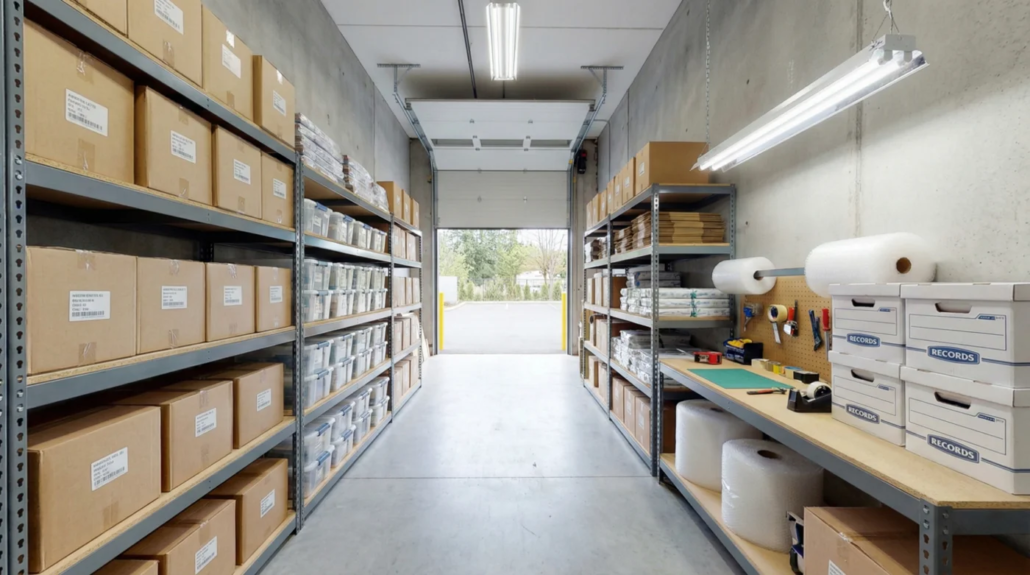
- Using shelving to maximize vertical space
- Clearly labeling boxes and bins
- Keeping an inventory list
These habits turn storage into a functional business asset rather than a dumping ground.
Cost Control and Financial Flexibility
One of the primary benefits of external storage is cost predictability. Storage units typically cost far less than expanding office or retail space.
This makes storage an attractive option during growth phases, seasonal peaks, or uncertain economic conditions. Businesses can scale storage needs up or down without renegotiating leases or relocating.
Business storage in Victoria helps align expenses with actual operational needs rather than fixed assumptions.
Security and Peace of Mind
Business assets represent significant investment. Protecting inventory, equipment, and records is essential.
Professional storage facilities prioritize security through controlled access, surveillance, and well-maintained environments. For many small businesses, this level of protection exceeds what is available on-site.
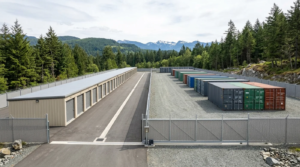
Our storage facility is designed to support these needs, offering a dependable option for storing business assets securely.
Sustainability and Smarter Space Use
Using storage instead of expanding physical premises can also support sustainability goals. Smaller workspaces typically consume fewer resources, while shared storage infrastructure reduces duplication.
By storing only what is needed on-site and rotating inventory responsibly, businesses can minimize waste and improve efficiency—values that resonate strongly with Victoria’s business community.
Choosing a Storage Partner That Understands Small Business
Not all storage providers cater equally to commercial users. Small businesses benefit from facilities that understand access needs, flexible terms, and scalable options.
Pacific Rim Storage is one local provider offering business storage solutions designed with Victoria’s small business landscape in mind.
Integrating Storage Into Long-Term Business Planning
Forward-thinking businesses include storage in their operational planning. Anticipating inventory growth, new services, or seasonal shifts allows storage to be added proactively rather than reactively.
Business storage in Victoria becomes most effective when treated as part of a broader strategy focused on flexibility, efficiency, and sustainable growth.
Final Thoughts: Supporting Small Business Growth in Victoria
Space limitations should not be a barrier to growth for Victoria’s small businesses. With thoughtful planning, external storage can provide the flexibility needed to operate efficiently, serve customers better, and adapt to changing demands.
Business storage in Victoria offers a practical alternative to costly expansions, allowing businesses to stay agile while maintaining organized, professional workspaces.
By viewing storage as an extension of the business rather than a temporary fix, small business owners can create systems that support long-term success in one of Canada’s most dynamic local economies.